In the ever-evolving world of design and landscaping, trends may come and go, but some materials possess a timeless quality that endures. Natural cleft stone stands as a perfect example – its rugged beauty, inherent durability, and organic character have made it a perennial favorite for everything from sprawling patios to striking feature walls. But what exactly is this distinctive material, and why does bluestone natural cleft continue to captivate homeowners, designers, and landscapers alike?
This comprehensive guide explores the fascinating world of natural cleft stone, with a particular focus on bluestone natural cleft varieties. We’ll examine its geological origins, distinctive textured finish, and the practical benefits that make it so versatile. From rustic garden pathways to contemporary outdoor kitchens, natural cleft bluestone offers unparalleled aesthetic and functional advantages. We’ll also cover essential installation considerations and maintenance tips to help you make the most of this remarkable natural material.
Whether you’re envisioning a countryside retreat or a modern outdoor living space, understanding the unique qualities of bluestone natural cleft will help you create designs that harmonize with nature while standing the test of time. The natural variations in color and texture ensure each piece tells its own story, bringing authentic, earthy charm to any application.
What Exactly is Cleft Stone? Unravelling the mystery of natural division
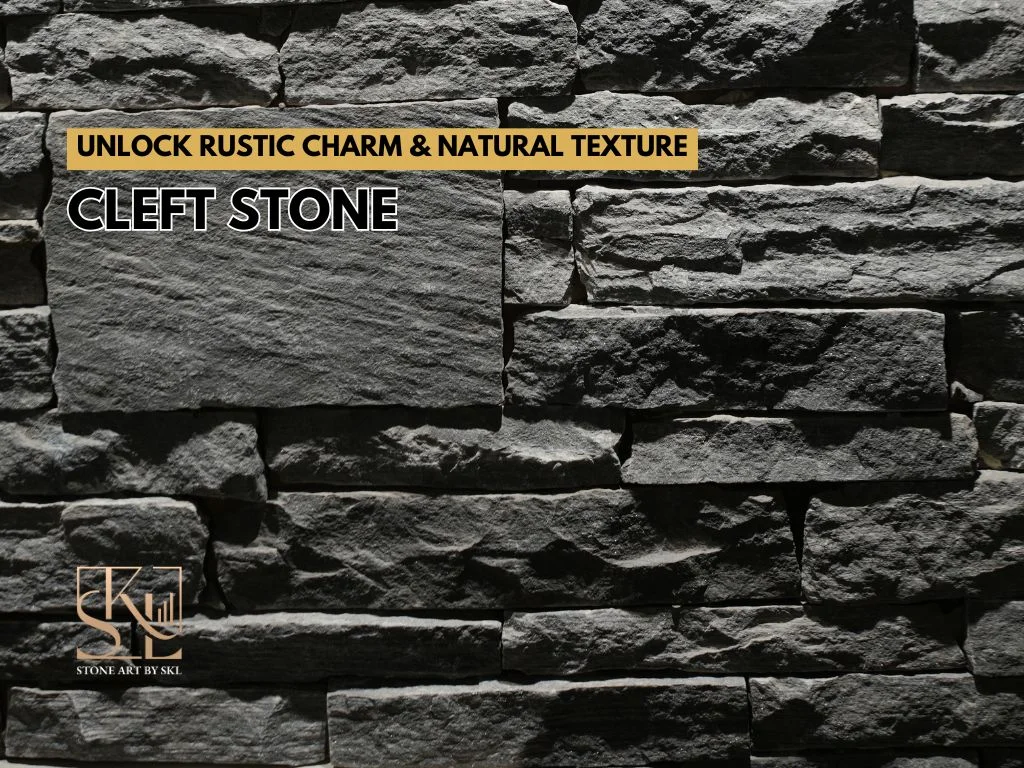
The term “cleft” refers to the process by which the stone is finished, rather than a specific type of stone itself. Cleft stone is natural stone – typically layered sedimentary or metamorphic rocks like slate, quartzite, sandstone, and bluestone (which is often a type of sandstone) – that has been split or cloven along its natural bedding planes.
Imagine layers of rock formed over millennia. The clefting process involves skilled artisans or specialized machinery carefully splitting these layers apart. This doesn’t involve sawing or grinding; it’s a controlled break that follows the stone’s inherent structure. The result is a surface that retains the rock’s authentic, naturally occurring texture. This natural cleft stone texture is characterized by:
1- Undulating Surfaces: Unlike smooth, sawn, or honed finishes, cleft stone has gentle rises and falls across its face.
2- Textural Variation: Each piece is unique, showcasing the specific grain and layering of that particular section of rock.
3- Natural Edges (Sometimes): While edges can be sawn, a “natural cleft” often implies naturally split faces and potentially rougher edges, contributing to its rustic charm.
This process stands in stark contrast to other finishes like:
A- Honed: Smooth, matte finish achieved by grinding.
B- Polished: Highly reflective, smooth finish achieved by buffing.
C- Sawn: Relatively flat but often shows saw marks.
D- Tumbled: Softened, worn edges and surface achieved by tumbling stones together.
Understanding the cleft finish vs. honed finish stone or other options is crucial when selecting materials, as the finish dramatically impacts aesthetics, slip resistance, and maintenance. Cleft stone distinctly offers a connection to the raw, geological origins of the material.
The Appeal of Natural Cleft Stone Texture
Why is the natural cleft stone texture so sought after? Its appeal lies in several key aspects:
1- Authenticity and Character: In an age of mass production, cleft stone offers genuine uniqueness. No two pieces are identical. This inherent variation brings unparalleled character and a sense of authenticity to any project. It tells a story of geological time and natural processes.
2- Rustic Elegance: The textured surface lends itself perfectly to rustic, traditional, Mediterranean, and even modern-organic design styles. It provides a grounding element, connecting built environments with the natural world.
3- Visual Interest: The play of light and shadow across the uneven surface adds depth and visual interest that flat surfaces lack. The color variations within the stone are often highlighted by the cleft finish.
4- Tactile Experience: There’s a satisfying feel to cleft stone underfoot or to the touch – a direct connection to a natural element.
The natural cleft stone texture isn’t a flaw, it’s the defining feature, celebrated for its organic beauty and departure from manufactured uniformity.
Why Choose Cleft Stone? Exploring the Benefits
Beyond its aesthetic charm, cleft stone offers practical advantages that make it a smart choice for various applications. Understanding the benefits of using cleft stone can solidify its place in your design considerations:
1- Exceptional Durability: Many types of stone suitable for clefting, particularly quartzite and denser slates, are incredibly hard-wearing. They can withstand heavy foot traffic, harsh weather conditions, and the test of time. The durability of cleft slate flooring or quartzite patios is a major selling point.
2- Natural Slip Resistance: This is perhaps one of the most significant practical benefits. The inherent unevenness and texture of the cleft stone surface provide excellent traction, making it one of the best non-slip cleft stone options for pool surrounds, walkways, patios, entryways, and even shower floors (depending on the specific stone type and sealing). This safety feature is paramount in wet or outdoor areas.
3- Timeless Aesthetics: Cleft stone doesn’t succumb to fleeting trends. Its natural beauty has been appreciated for centuries and integrates seamlessly into both historical and contemporary designs. It adds value and enduring appeal to any property.
4- Versatility in Application: As we’ll explore further, cleft stone isn’t limited to one use. It’s suitable for flooring (interior and exterior), wall cladding, fireplace surrounds, steps, countertops (with caveats), and various landscaping features.
5- Color and Type Variety: From the deep blues and grays of bluestone to the multicolored variations of slate and the sparkling resilience of quartzite, there’s a cleft stone to match nearly any color palette and design requirement.
While cost can sometimes be higher than manufactured alternatives, the longevity and aesthetic value offered by cleft stone often translate to a better long-term investment.
Popular Applications for Cleft Stone: Where Nature Meets Design
The versatility of cleft stone allows it to enhance numerous spaces, both indoors and out. Here are some popular applications:
A- Patios and Walkways: This is a classic use. Cleft stone patio ideas range from formal patterns using dimensionally cut pavers to highly irregular, naturalistic layouts. The durability and slip resistance make it ideal. Installing cleft stone pavers creates functional, beautiful outdoor living areas. Flagstones, often a cleft sandstone or slate, is synonymous with charming patios and garden paths.
B- Interior Flooring: Cleft stone brings a unique, organic feel indoors. Cleft slate flooring is particularly popular in entryways, mudrooms, kitchens, and rustic living areas. Considerations include the unevenness underfoot (which some find desirable, others less so) and the need for proper sealing in high-spill areas like kitchens.
C- Wall Cladding and Veneer: Using cleft stone as a stone veneer adds texture, dimension, and a powerful focal point to both exterior facades and interior walls. Imagine a rustic cleft stone fireplace radiating warmth and character, or an accent wall bringing the outdoors in. Thin stone veneers make this application lighter and often easier to install than full-bed stone.
D- Landscaping Features: Cleft stone is a natural choice for garden steps, retaining walls, pathway edgings, water feature surrounds, and benches. Its rugged look integrates perfectly with plants and other natural elements, enhancing the overall landscape design. It serves as an excellent landscaping stone.
E- Outdoor Kitchens and Barbecues: Using cleft stone for outdoor kitchens, either for flooring, wall accents, or even countertops, creates a cohesive and durable outdoor entertaining space. If used for countertops, proper sealing and awareness of potential staining (especially with more porous stones) are crucial. Quartzite offers a more durable countertop option within the cleft stone family.
Understanding the Different Types of Cleft Stones
While “cleft” describes the finish, the type of stone significantly impacts its properties and suitability:
1- Slate: A metamorphic rock known for its distinct layers, making it relatively easy to cleft. It comes in various colors (grays, blacks, greens, purples, reds). Cleft slate tiles are common for flooring and roofing. Durability varies – some slates are softer than others.
2- Quartzite: An extremely hard, dense metamorphic rock formed from sandstone. It’s highly resistant to weathering and wear, making it excellent for high-traffic areas and exterior use. Often contains quartz crystals, giving it a subtle sparkle. Its hardness can make it more challenging (and potentially costly) to quarry and install.
3- Sandstone: A sedimentary rock composed mainly of sand-sized mineral grains. Colors vary widely (beiges, reds, pinks, browns). It’s generally more porous than slate or quartzite, often requiring sealing, especially outdoors or in kitchens/bathrooms, to prevent staining and water absorption. Bluestone is a well-known type of sandstone popular for patios.
4- Flagstone: Often used interchangeably with bluestone or refers generally to flat stones used for paving, typically sandstone or slate, and usually featuring a cleft finish.
Choosing the right type of cleft stone depends on the specific application, desired aesthetic, budget, and local climate.
Installation Considerations for Cleft Stone
Installing cleft stone, particularly for flooring or paving, requires attention to detail due to its inherent variations:
A- Thickness Variation: This is the biggest challenge. Because the stone is split naturally, pieces will vary in thickness. Installers must compensate for this using the bedding material (mortar or sand) to achieve a relatively level finished surface. This requires skill and patience – it’s generally not a beginner DIY project for large areas. The cost of cleft stone installation can be higher than for uniformly thick tiles due to this added labor.
B- Substrate Preparation: A stable, well-drained base is crucial for longevity, especially for exterior patios and walkways, to prevent shifting, cracking, or water damage.
C- Layout and Sorting: Before installation, it’s often wise to lay out the stones to plan the pattern and blend color/texture variations pleasingly. Skilled installers may sort stones by thickness to manage level changes more effectively.
D- Grouting: Joint widths are typically wider and potentially more variable with cleft stone compared to precisely cut tiles. Grout choice (sanded grout is common) and application techniques are important for both aesthetics and function.
E- Professional Installation Recommended: Due to the challenges of thickness variation and the weight of the material, professional installation is usually recommended for achieving the best, longest-lasting results when installing cleft stone pavers or flooring.
Caring for Your Cleft Stone Surfaces: Maintenance Tips
Proper care ensures your cleft stone remains beautiful for decades. Key aspects include:
1- Regular Cleaning: Cleaning cleft stone surfaces typically involves sweeping or vacuuming (with a non-beater bar setting) to remove loose debris. Periodic washing with water and a pH-neutral stone cleaner is recommended. Avoid acidic or harsh abrasive cleaners, which can damage the stone or sealer. The textured surface may require a stiff brush (not wire) for deeper cleaning.
2- Sealing: Sealing natural cleft stone is often advised, particularly for more porous types like sandstone or in areas prone to spills (kitchens, dining areas, outdoor kitchens). Sealers help resist staining, reduce water absorption (important in freeze-thaw climates), and can make cleaning easier.
2A- Types of Sealers: Options include “enhancing” sealers that deepen color and “natural look” or “invisible” sealers that provide protection without significantly altering appearance.
2B- Frequency: Sealing isn’t permanent and needs reapplication every few years, depending on the sealer type, stone porosity, and wear.
3- Addressing Spills Promptly: Blot spills immediately, especially acidic substances (wine, citrus juice, vinegar) or oils, to minimize the risk of staining or etching.
4- Periodic Inspection: Check grout joints for cracking or deterioration and repair as needed to prevent water infiltration beneath the stones.
Following these simple steps will preserve the integrity and beauty of your cleft stone installation.
Cleft Stone vs. Other Finishes: Making the Right Choice
How does cleft stone stack up against smoother finishes?
A- Cleft vs. Honed/Polished: Cleft offers superior slip resistance and a rustic look. Honed and polished finishes provide a smoother, more contemporary or formal aesthetic but are more slippery when wet and may show scratches more readily. The cleft finish vs. honed finish stone debate often comes down to safety and style preference.
B- Cleft vs. Tumbled: Both offer texture, but tumbled stone has softened edges and a more weathered, antique look. Cleft retains a more sharply defined (though uneven) surface texture.
C- Cleft vs. Sawn: Sawn finishes are flatter than cleft but less smooth than honed, often showing subtle parallel lines from the saw blade. They offer a compromise between texture and uniformity.
The best finish depends entirely on the project’s specific needs regarding safety, style, location, and maintenance tolerance.
Conclusion: Embrace the Enduring Beauty of Cleft Stone
Cleft stone wall cladding is more than just a building material, it’s a piece of the earth brought into our living spaces. Its natural cleft stone texture, inherent durability, excellent slip resistance, and timeless appeal make it a compelling choice for a vast array of projects. From the charming irregularity of a flagstone patio to the dramatic statement of a cleft slate feature wall, this finish offers unparalleled character and a tangible connection to the natural world.
While installing cleft stone requires skill and proper maintenance involves mindful care, the rewards are immense. Choosing cleft stone means investing in a surface that is unique, beautiful, functional, and enduring. It’s a testament to the fact that sometimes, nature’s imperfections are its greatest perfections. So, if you’re seeking a material that combines rustic charm with sophisticated resilience, look no further than the captivating world of cleft stone. Consider where its unique texture and story could enhance your next design project.